Yayi Renée Michele
Sinners: Movie Review by ‘Mother Metaphor’
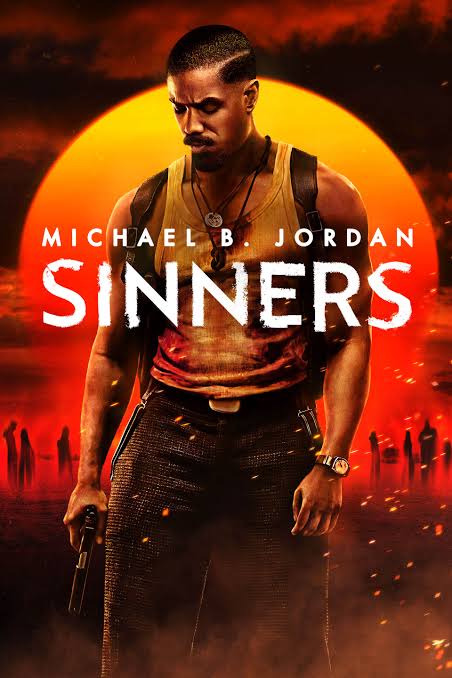
Film Review: Sinners
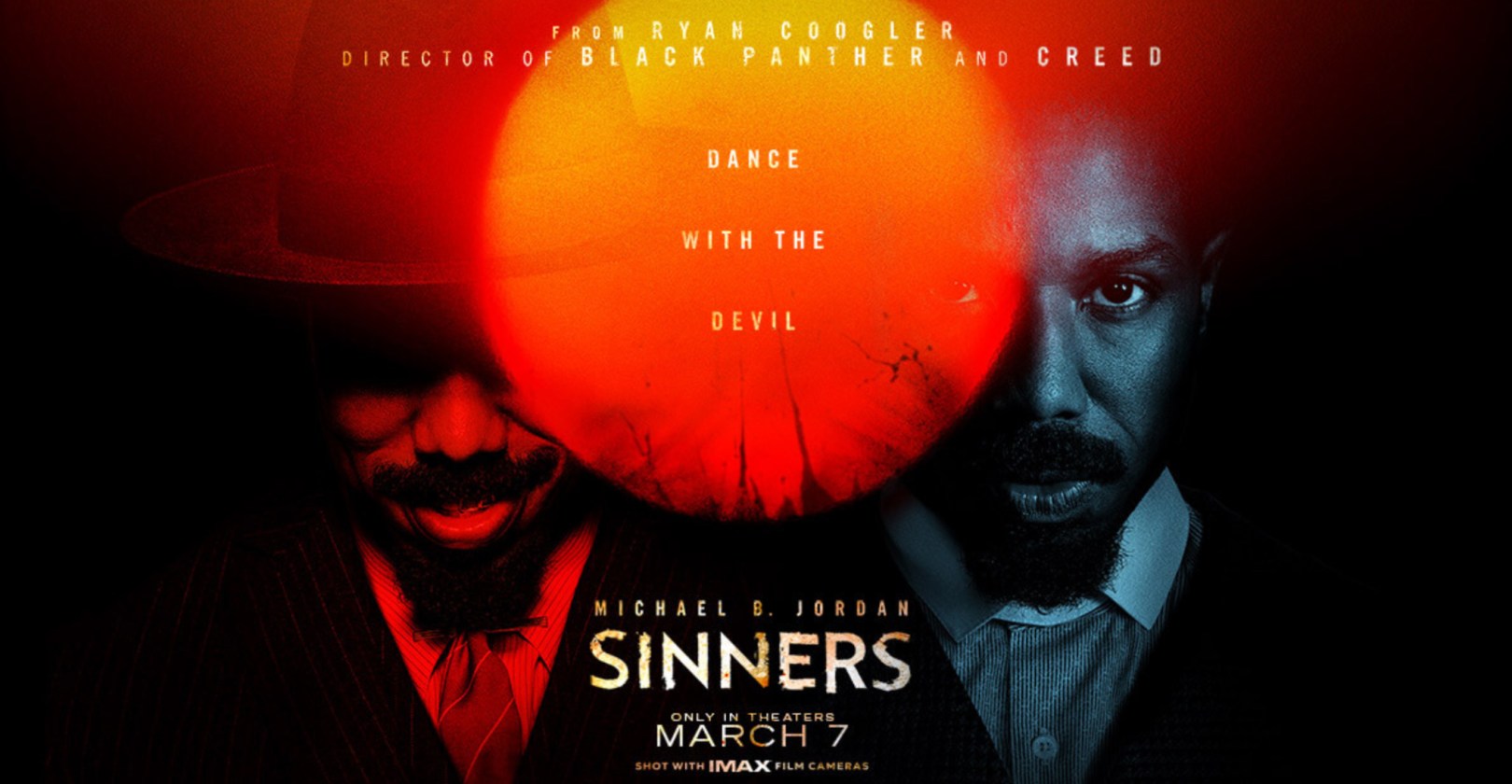
Directed by Ryan Coogler
Rated: 100/100 Divination Bones
Reviewed by: Mother Metaphor aka Yayi Renée Michele
Ryan Coogler’s Sinners isn’t just a film—it is a conjuring. It is scripture in motion, parable wrapped in poetry, and prophecy pulsing through celluloid. This story is our story. A tale of power, choice, blood, and inheritance—woven with the skill of a griot who knows how to pierce the veil between the seen and the unseen.
From its opening sequence to its final beat, Sinners is deeply spiritual. Not religious for religion’s sake, but holy. Rooted. Remembering. Coogler doesn’t scream his messages—he whispers them through symbol, scripture, and spirit. You’ll miss them if you’re not paying attention. But if you know, you’ll feel it in your bones.
One of the most chilling moments in the film comes when young Sammie begins reciting the Lord’s Prayer. You feel the vibration shift. Remmick—the lead vampire—and the others begin chanting along, word for word. But when Sammie reaches the line, “For thine is the kingdom, and the power, and the glory…” they stop. Dead in their tracks.
They cannot say it. Because to utter those words is to surrender power. And these vampires—these symbolic devils, these colonizers, these industry leeches—do not yield power. They seek to consume it. This moment reveals a spiritual law: darkness can mimic light, but it cannot embody reverence. The counterfeit always stops short of worship.
Then there’s the juke joint—the sacred sanctuary of the film. You’ll notice: no vampire ever barges in. They wait. They linger outside. Because just like in spiritual law, they need permission to enter. This isn’t just lore—it’s scripture. Ephesians 6:12 reminds us: “For we wrestle not against flesh and blood, but against principalities… spiritual wickedness in high places.” Vampires, in this film, are metaphors for those wicked forces—parasitic, persistent, but powerless without access. The juke joint becomes more than a bar—it is a temple, a line they cannot cross without consent.
And what of Sammie? The prophet-child. His name echoes Samuel—God is exalted. A young man with a gift that bends time, summons spirit, and bridges past and present. Remmick doesn’t want the people. He wants the gift. The same way the enemy always wants the vessel that carries divine frequency. And as Satan was once the choir director in Heaven, Remmick recognizes the sound of sacred resonance. Sammie’s power can blur the veil. And that is what evil fears most—connection.
The names in this film are sacred code. Smoke’s real name is Elijah—“My God is Yahweh.” Stack’s is Elias—New Testament Greek for the same prophet. Two halves of a divine calling. And Sammie, born of Samuel, is the one who anoints, the one who hears God in the silence.
Then there’s Annie. Dark-skinned, full-figured, adorned in elekes, seated at her altar. She is the conjure woman. The divine feminine. Not just a love interest—she is a living altar. To see her honored on screen is a revolution. She is us. She is me. She is you if you know the craft, the prayer, the price.
Michael B. Jordan is breathtaking in his dual roles—Stack the trickster, Smoke the warrior. And Delroy Lindo offers holy testimony as the bluesman prophet, mourning the Black brilliance lost to white violence. Every line is a psalm. Every note, a prayer.
The juke joint scene—an homage to Ernie Barnes’ iconic painting from Good Times—is more than an Easter egg. It is resurrection. And Mary, the passing woman with tears behind her privilege, is a reminder that assimilation is its own kind of death.
And don’t leave early. There are two post-credit scenes. Two doorways. Two more visions.
Sinners isn’t for firesticks. It’s for fellowship. For theaters. Ryan Coogler retained full rights and reaps his reward now—not in the afterlife. Honor that. Witness that.
This is not just cinema.
This is scripture for the soul.
This is Sinners.


 NevahBlackDown